one-stop rfid hardware solution provider.

Leave A Message
If you are interested in our products and want to know more details,please leave a message here,we will reply you as soon as we can.


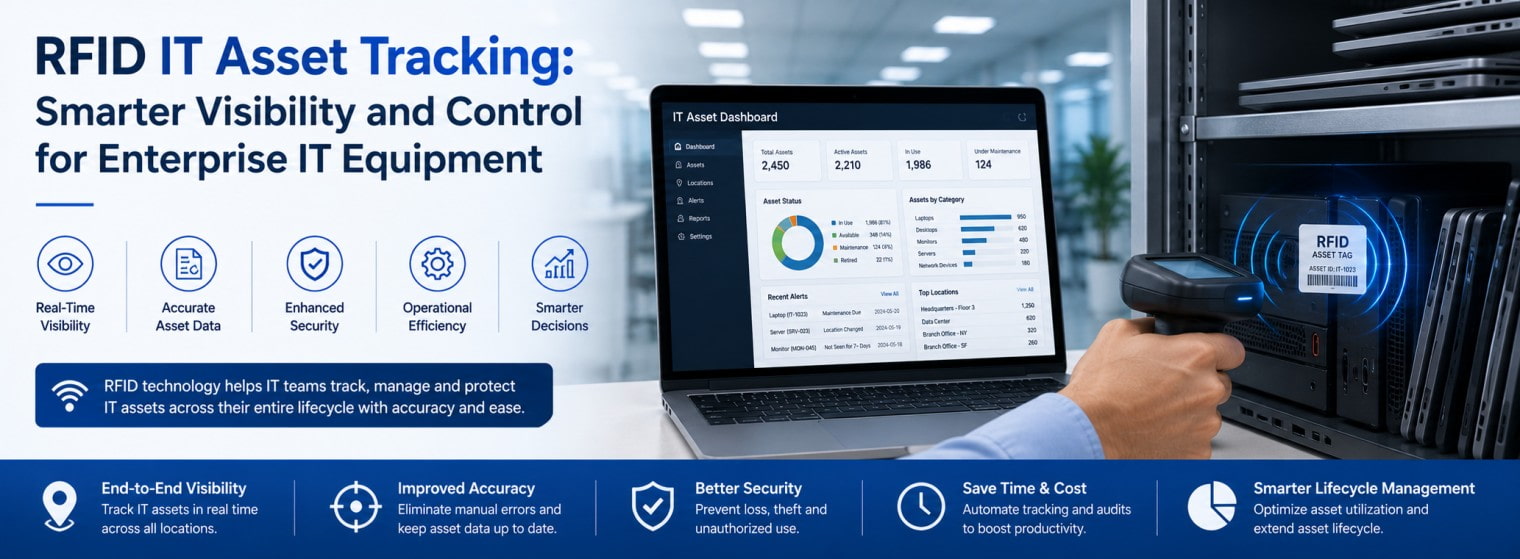
In modern enterprises, IT assets such as laptops, servers, networking devices, and data center equipment represent a significant portion of operational investment. However, traditional asset tracking methods—like spreadsheets, barcode labels, and manual audits—are often inefficient, error-prone, and time-consuming.
RFID IT Asset Tracking offers a smarter and more automated solution. By using RFID technology, organizations can track, identify, and manage IT assets in real time across offices, warehouses, and data centers without manual scanning or line-of-sight limitations.
This article explains how RFID IT asset tracking works, its benefits, and why it is becoming essential for digital enterprises.
RFID IT Asset Tracking is a system that uses Radio Frequency Identification (RFID) tags and readers to automatically identify and manage IT equipment throughout its lifecycle.
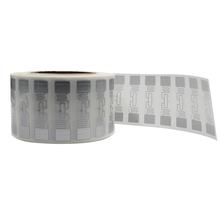
Each asset is attached with an RFID tag containing a unique identifier, which can be read wirelessly by RFID scanners.
Common IT assets include:
The system connects physical assets with a centralized digital management platform.
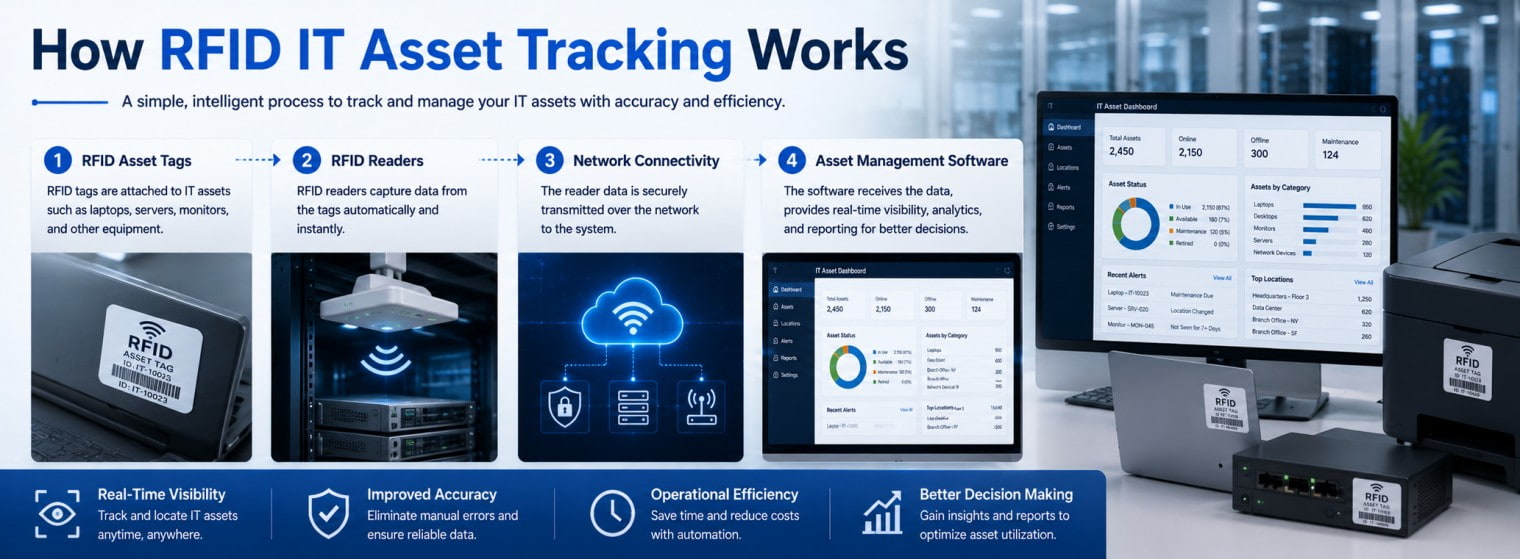
A typical RFID asset tracking system consists of four key components:
Depending on the environment, tags can be:
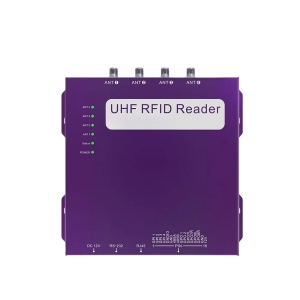
RFID readers automatically collect asset data at key locations:
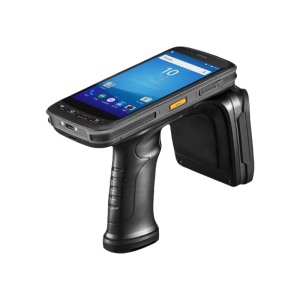
Readers can be fixed or handheld for mobile audits.
Captured data is transmitted via:
This enables centralized visibility across multiple locations.
The software platform provides real-time control and analytics, including:
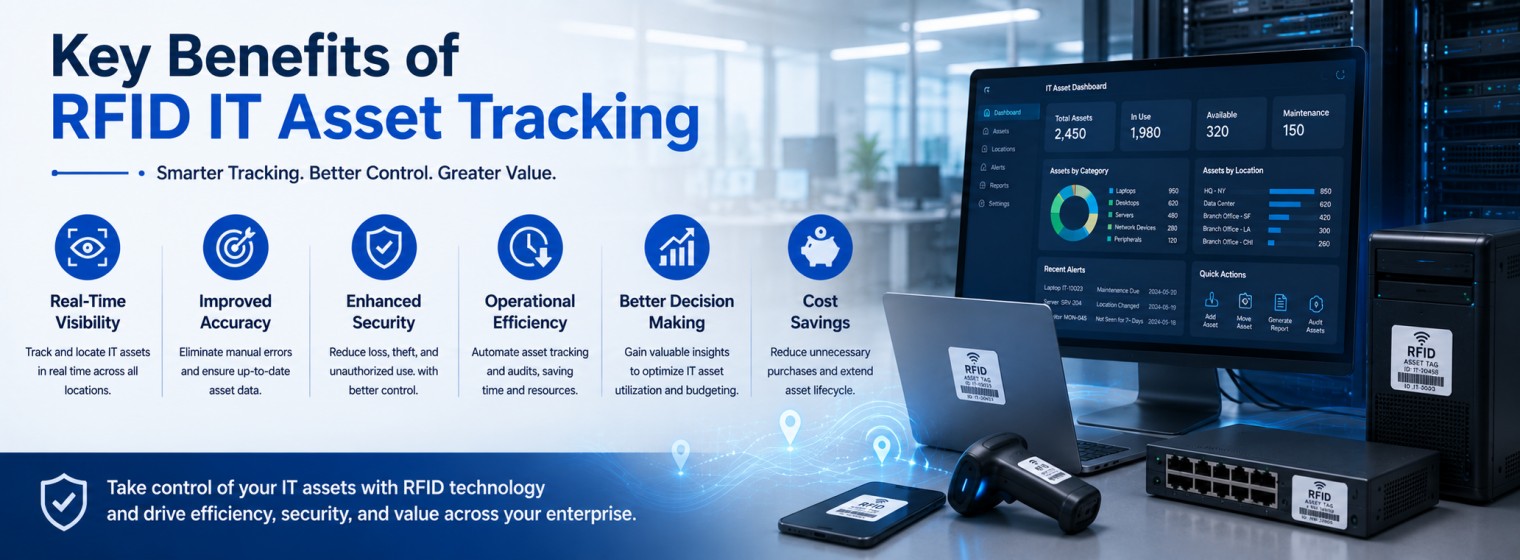
RFID provides instant insight into where IT assets are located.
Organizations can track:
This eliminates “missing asset” issues.
Traditional IT audits require manual barcode scanning or spreadsheet checks.
With RFID:
RFID helps organizations identify underused or idle equipment.
This leads to:
RFID systems can trigger alerts when assets leave designated zones without authorization.
Features include:
RFID supports full lifecycle tracking of IT equipment:
This ensures complete visibility from purchase to decommissioning.
RFID reduces costs by:
Manage laptops, desktops, and employee devices across departments and offices.
Track servers, racks, and networking equipment with high precision.
Manage computer labs, projectors, and shared IT equipment.
Track medical devices, diagnostic equipment, and mobile IT assets.
Ensure accountability and compliance for large-scale IT infrastructure.
| Feature | Barcode System | RFID System |
|---|---|---|
| Line-of-sight required | Yes | No |
| Batch scanning | No | Yes |
| Real-time tracking | Limited | Yes |
| Audit speed | Slow | Fast |
| Human error rate | High | Low |
| Automation level | Low | High |
| Data capacity | Limited | High |
RFID clearly outperforms traditional barcode systems in enterprise environments.
When selecting a solution, companies should consider:
A well-designed system ensures long-term efficiency and accuracy.
RFID is evolving alongside AI and IoT technologies, enabling smarter enterprise asset management.
Future innovations include:
These technologies will further improve transparency and automation.
RFID IT Asset Tracking is transforming how enterprises manage and control IT equipment. By replacing manual tracking methods with automated RFID systems, organizations can achieve real-time visibility, reduce asset loss, improve audit efficiency, and optimize resource utilization.
For modern IT-driven businesses, RFID is no longer just an upgrade—it is a core component of intelligent asset management.

one-stop rfid hardware solution provider.

Support email contact.

Professional technical guidance.
leave a message
Scan to wechat :

Scan to Whatsapp :