one-stop rfid hardware solution provider.

Leave A Message
If you are interested in our products and want to know more details,please leave a message here,we will reply you as soon as we can.


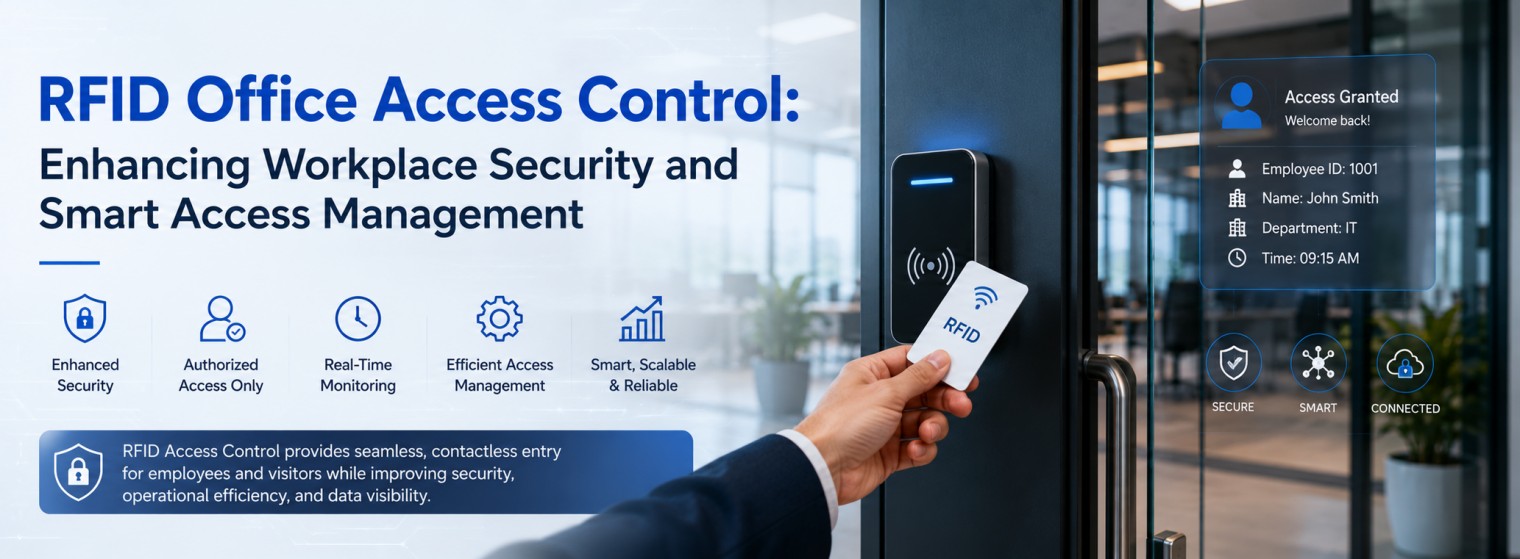
In modern manufacturing environments, security, efficiency, and operational control are critical factors that directly impact productivity and safety. Traditional factory access methods—such as mechanical keys, manual logbooks, or basic swipe cards—are no longer sufficient to manage large-scale industrial operations.
RFID Factory Access Control provides a smart, automated, and highly secure solution for controlling and monitoring employee access across different zones in a factory. By using RFID technology, manufacturers can ensure only authorized personnel can enter restricted areas while maintaining full visibility of workforce movement.
RFID Factory Access Control is a security and management system that uses RFID (Radio Frequency Identification) technology to identify and authenticate workers entering or exiting factory zones.
The system typically includes:
Each employee is assigned a unique RFID credential that defines their access permissions within the factory.
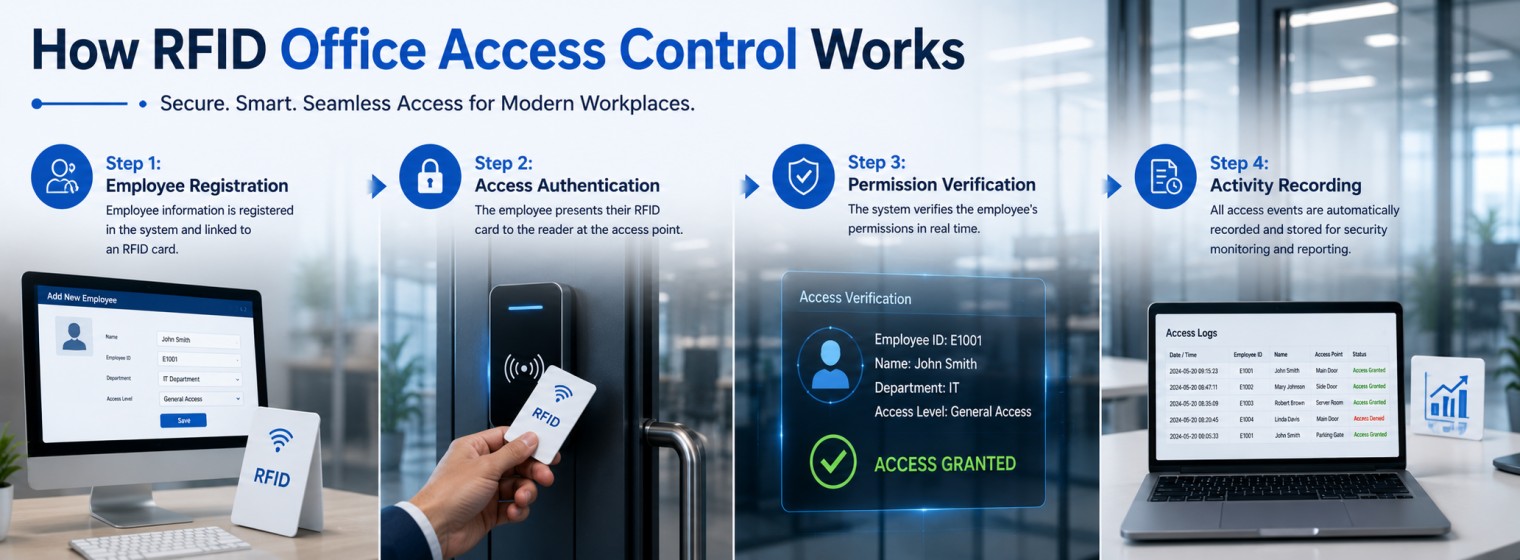
The system operates through a simple but highly efficient workflow:
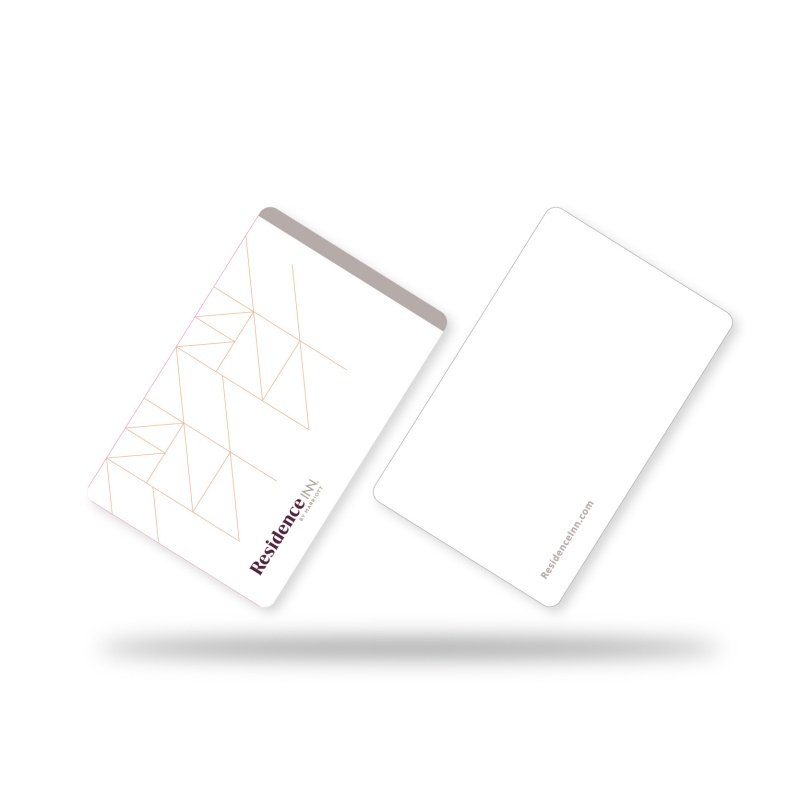
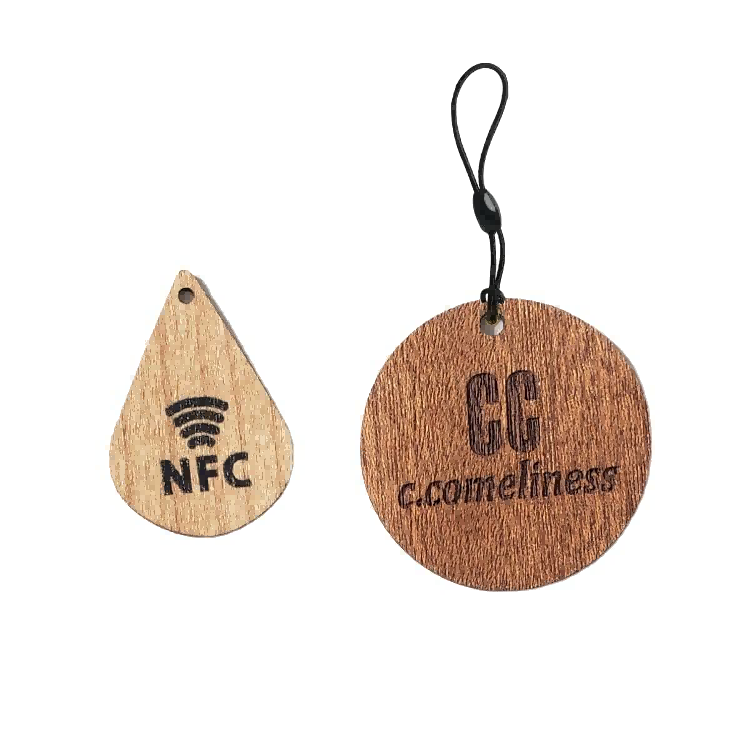
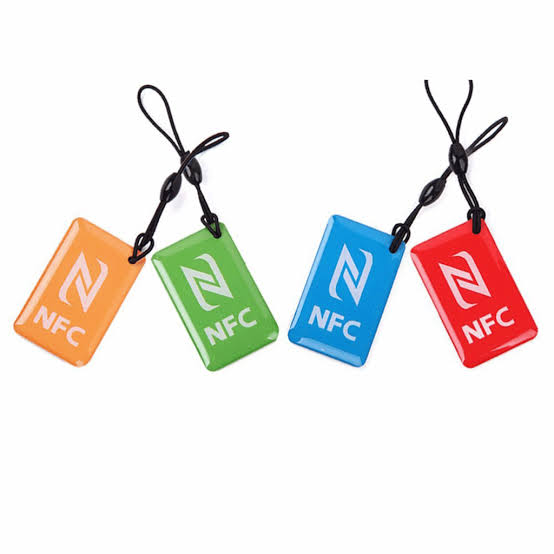
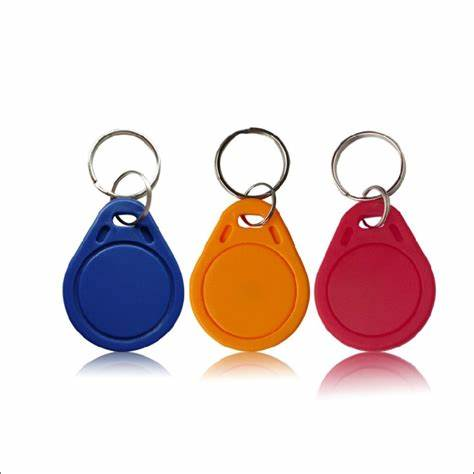
Each worker receives an RFID-enabled credential linked to their identity and job role.
Examples include:
When an employee arrives at a controlled entrance, they simply tap or present their RFID card near the reader.
The reader instantly captures the ID without physical contact or manual input.
The system checks the credential against predefined rules such as:
If authorized, access is granted immediately.
Every access attempt is recorded automatically:
This data is stored in a central system for reporting and auditing.
RFID ensures only authorized personnel can access sensitive areas such as:
This reduces risks of theft, sabotage, or unauthorized entry.
Factory managers can monitor employee movement in real time, improving:
RFID eliminates manual check-in processes and reduces congestion at entry points.
Employees can enter quickly, improving workflow efficiency during shift changes.
Factories often have multiple restricted zones with different security levels.
RFID systems allow administrators to:
Traditional key systems require physical lock changes when keys are lost.
With RFID:
RFID access control can be integrated with:
This creates a unified digital factory ecosystem.
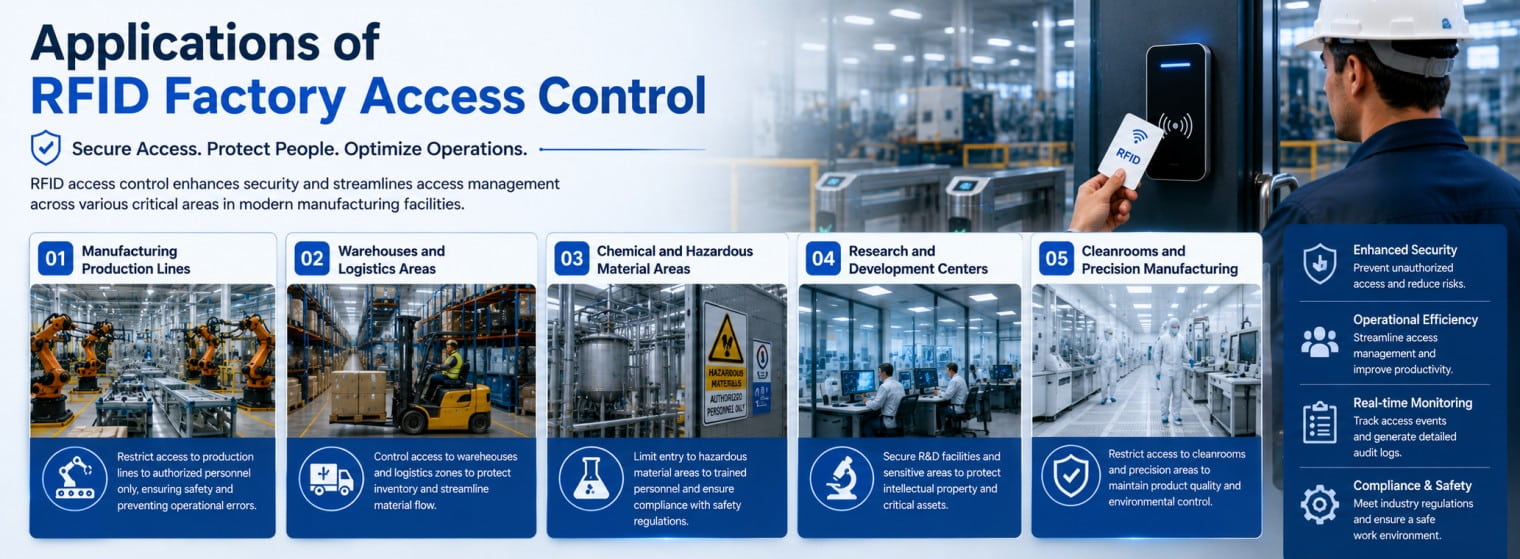
Control access to assembly areas to ensure only trained workers operate machinery.
Manage entry to storage zones and track material handling personnel.
Restrict access to high-risk zones requiring safety certification.
Protect intellectual property and sensitive product development areas.
Ensure controlled access to environments requiring strict contamination control.
| Feature | Traditional Keys | Swipe Cards | RFID System |
|---|---|---|---|
| Contactless Access | No | Partial | Yes |
| Real-Time Tracking | No | Limited | Yes |
| Zone-Based Control | No | Limited | Yes |
| Lost Credential Management | Difficult | Moderate | Easy (deactivate instantly) |
| Automation Level | Low | Medium | High |
| Integration Capability | Poor | Moderate | Strong |
RFID clearly provides the most advanced and scalable solution for industrial environments.
When selecting a system, factories should evaluate:
As smart manufacturing evolves, RFID systems are becoming more intelligent and interconnected.
Future developments include:
These innovations will further enhance factory safety and efficiency.
RFID Factory Access Control is transforming industrial security and workforce management. By replacing outdated manual systems with automated, intelligent RFID solutions, factories can achieve higher security levels, improved operational efficiency, and better compliance with safety standards.
For modern manufacturing plants aiming to build a smart factory ecosystem, RFID access control is no longer optional—it is a foundational technology.

one-stop rfid hardware solution provider.

Support email contact.

Professional technical guidance.
leave a message
Scan to wechat :

Scan to Whatsapp :