one-stop rfid hardware solution provider.

Leave A Message
If you are interested in our products and want to know more details,please leave a message here,we will reply you as soon as we can.


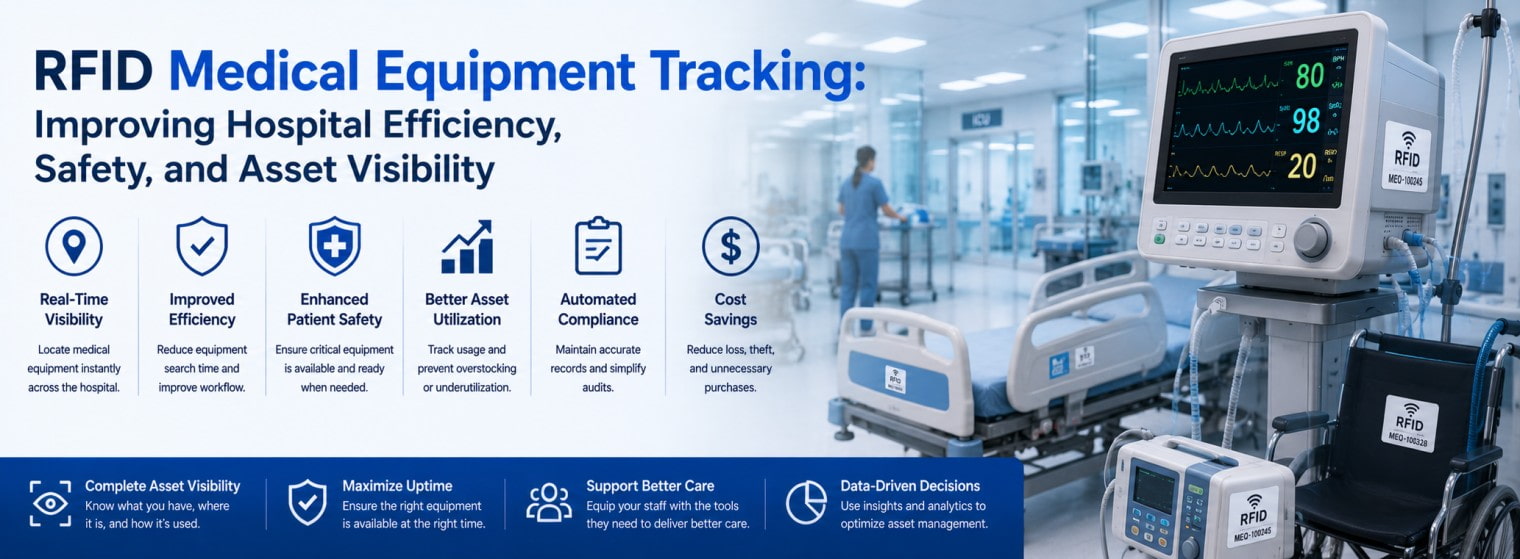
Hospitals and healthcare facilities rely on a large number of high-value and life-critical medical devices. Equipment such as infusion pumps, ventilators, ultrasound machines, and defibrillators must be accurately tracked, properly maintained, and readily available when needed.
However, traditional manual tracking methods often lead to misplaced equipment, inefficient utilization, and delayed patient care.
RFID Medical Equipment Tracking provides a modern, automated solution that enables real-time visibility, improved asset utilization, and enhanced operational efficiency in healthcare environments.
RFID Medical Equipment Tracking is a system that uses Radio Frequency Identification (RFID) technology to identify, locate, and manage medical devices across hospitals and healthcare facilities.
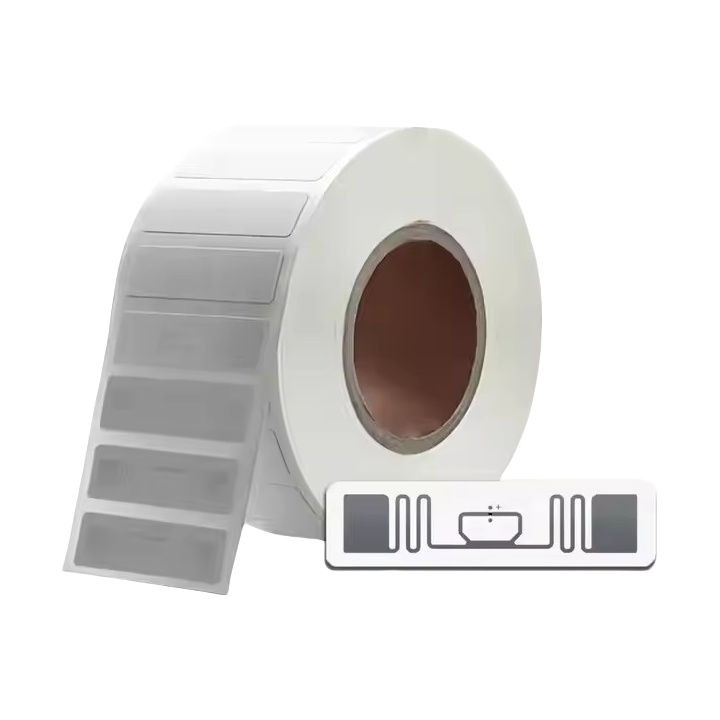
Each piece of equipment is tagged with an RFID label that contains a unique identifier. RFID readers installed throughout the facility automatically detect and track these assets without requiring line-of-sight scanning.
Common tracked equipment includes:
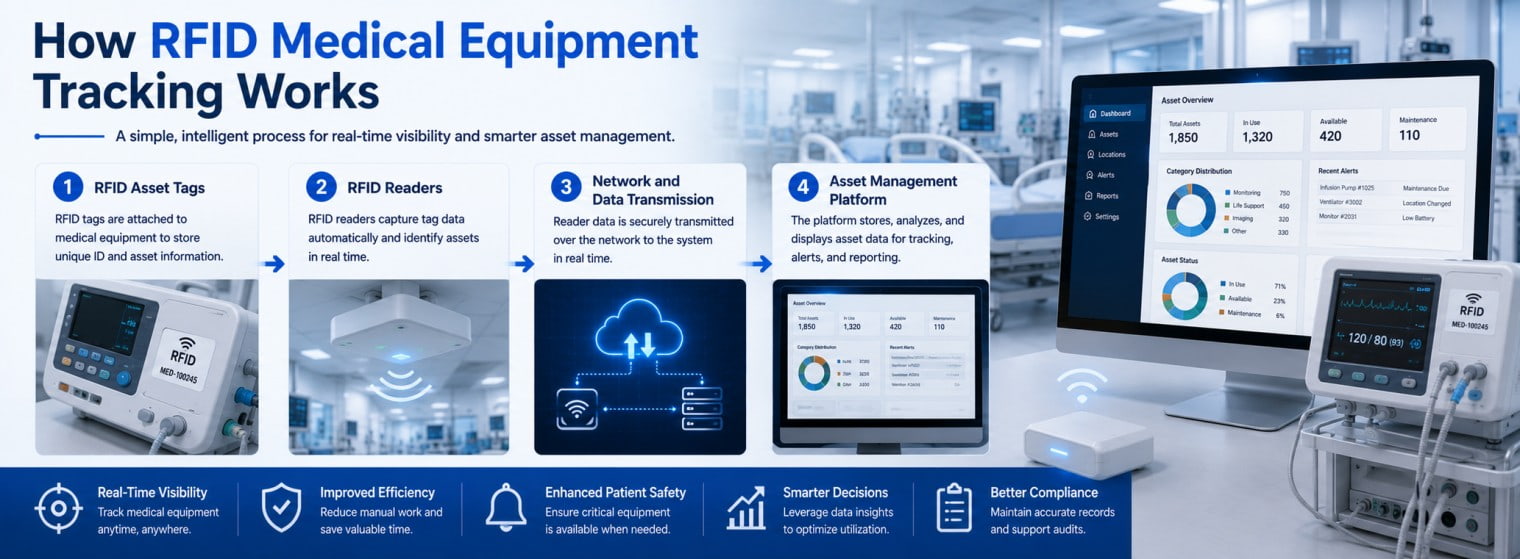
A complete RFID tracking system typically includes four components:
1. RFID Asset Tags
Each medical device is equipped with an RFID tag, which may be:
Each tag contains a unique ID linked to the equipment profile.
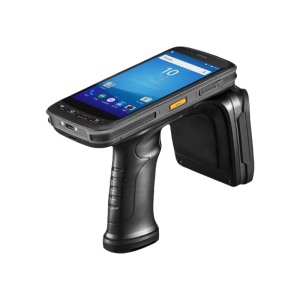
RFID readers are deployed in key hospital locations, such as:
Readers automatically capture data when tagged equipment passes nearby.
Collected data is transmitted to a central system via:
This enables real-time tracking across the entire facility.
The software system provides complete visibility and control, including:
Hospitals can instantly locate critical equipment, reducing time spent searching for devices during emergencies.
This improves:
Many hospitals purchase more equipment than necessary due to poor visibility.
RFID helps identify:
This leads to better resource allocation and reduced unnecessary procurement.
Medical devices are often moved between departments, making manual tracking unreliable.
RFID systems provide:
This significantly reduces loss and misplacement.
Medical equipment requires regular calibration and maintenance.
RFID systems help by:
Having the right equipment available at the right time is critical for patient care.
RFID ensures:
RFID reduces costs by:
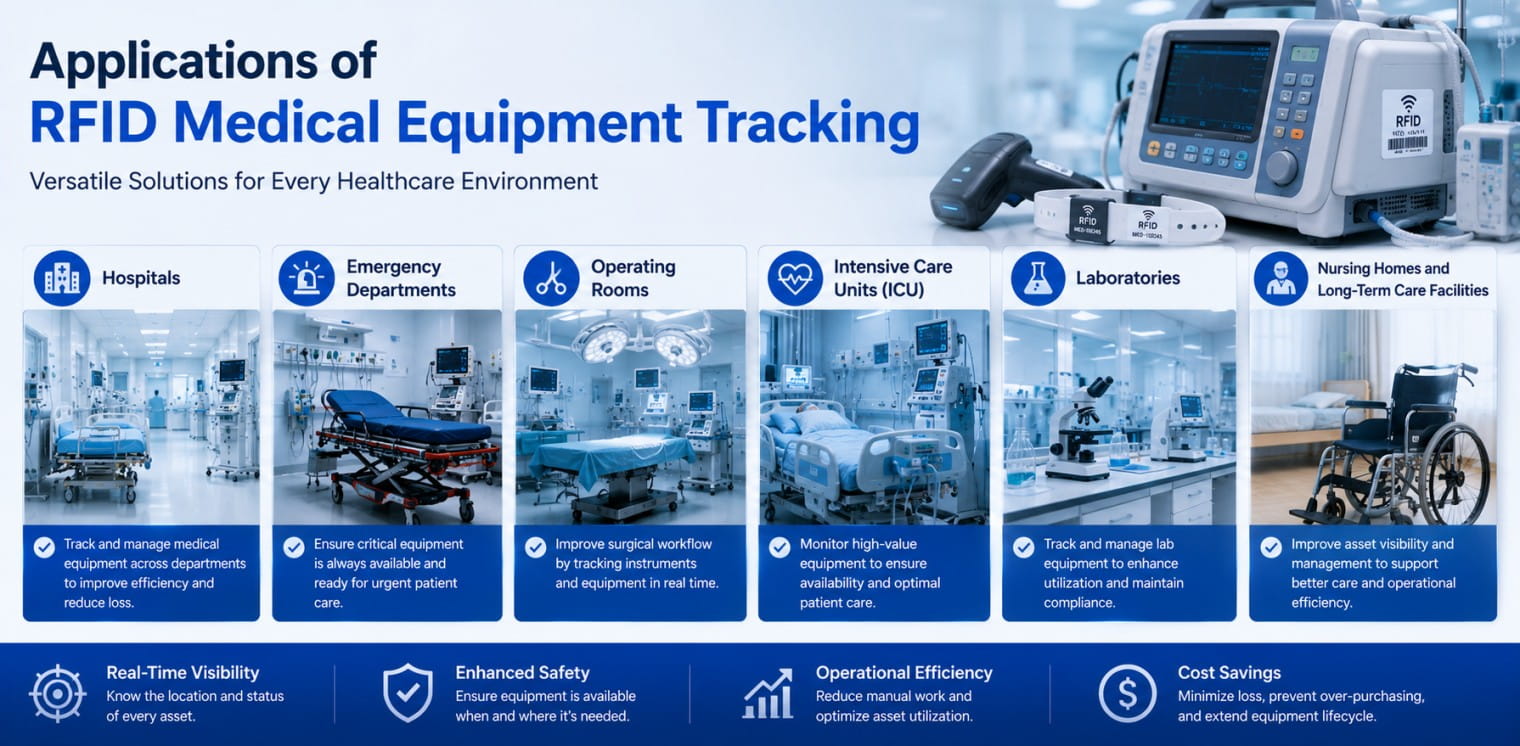
Track and manage mobile and fixed medical devices across all departments.
Ensure fast access to critical life-saving equipment during emergencies.
Maintain strict control over surgical instruments and specialized devices.
Track ventilators, monitors, and critical care equipment in real time.
Manage diagnostic devices and laboratory instruments efficiently.
Track mobility aids, monitoring devices, and patient support equipment.
| Feature | Manual Tracking | Barcode System | RFID System |
|---|---|---|---|
| Real-time visibility | No | Limited | Yes |
| Line-of-sight required | No | Yes | No |
| Automated tracking | No | Partial | Yes |
| Equipment search time | High | Medium | Low |
| Audit efficiency | Low | Medium | High |
| Loss prevention | Weak | Moderate | Strong |
RFID clearly provides the most efficient and reliable solution for healthcare environments.
When selecting an RFID solution for healthcare, hospitals should consider:
A well-designed system must meet both clinical and regulatory requirements.
RFID in healthcare is evolving into a fully integrated smart hospital ecosystem.
Future developments include:
These innovations will further improve hospital efficiency and patient outcomes.
RFID Medical Equipment Tracking is transforming healthcare operations by providing real-time visibility, improving equipment utilization, and ensuring critical devices are always available when needed.
For modern hospitals aiming to enhance patient care and operational efficiency, RFID technology is becoming an essential component of smart healthcare infrastructure.

one-stop rfid hardware solution provider.

Support email contact.

Professional technical guidance.
leave a message
Scan to wechat :
Scan to Whatsapp :