Leave A Message
If you are interested in our products and want to know more details,please leave a message here,we will reply you as soon as we can.


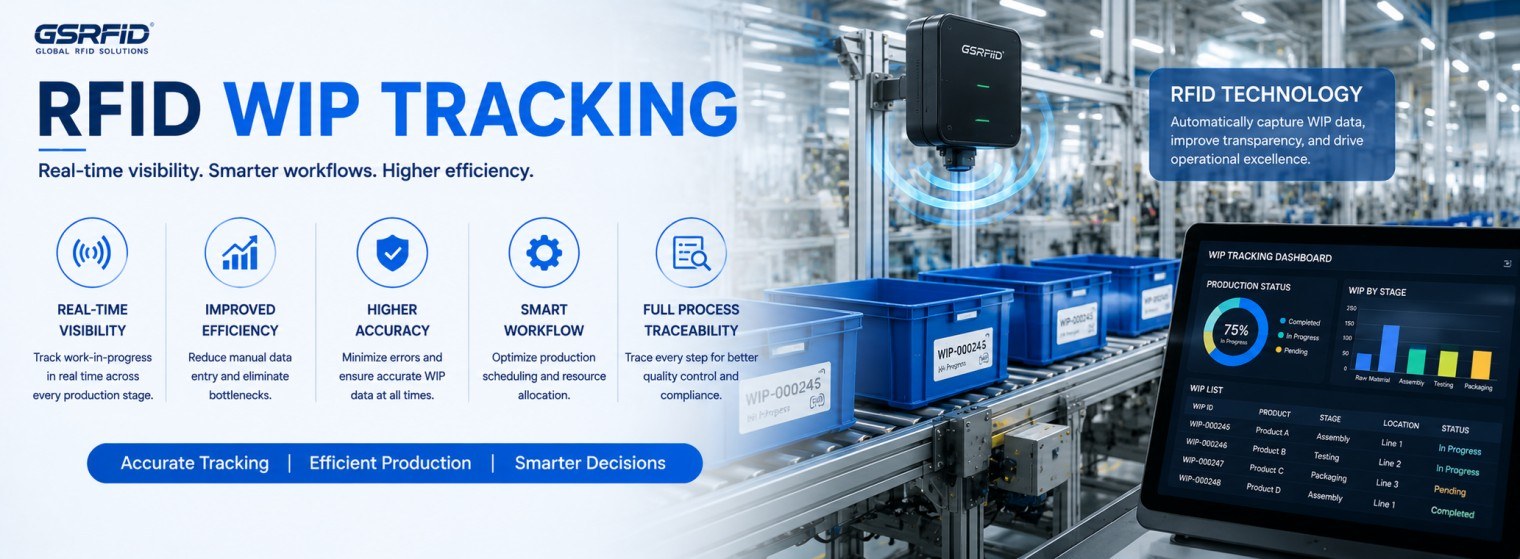
In modern manufacturing, maintaining visibility over Work-in-Progress (WIP) is essential for improving production efficiency, reducing delays, and ensuring product quality. However, traditional WIP tracking methods—such as paper travelers, barcode scanning, or manual reporting—are often slow, inaccurate, and difficult to scale in complex production environments.
RFID WIP Tracking provides a smart, automated solution that enables real-time monitoring of parts, assemblies, and products as they move through the production process. It helps manufacturers gain full control over production flow, bottlenecks, and inventory status.
RFID WIP Tracking is a system that uses Radio Frequency Identification (RFID) technology to track products and components during the manufacturing process—from raw materials to finished goods.
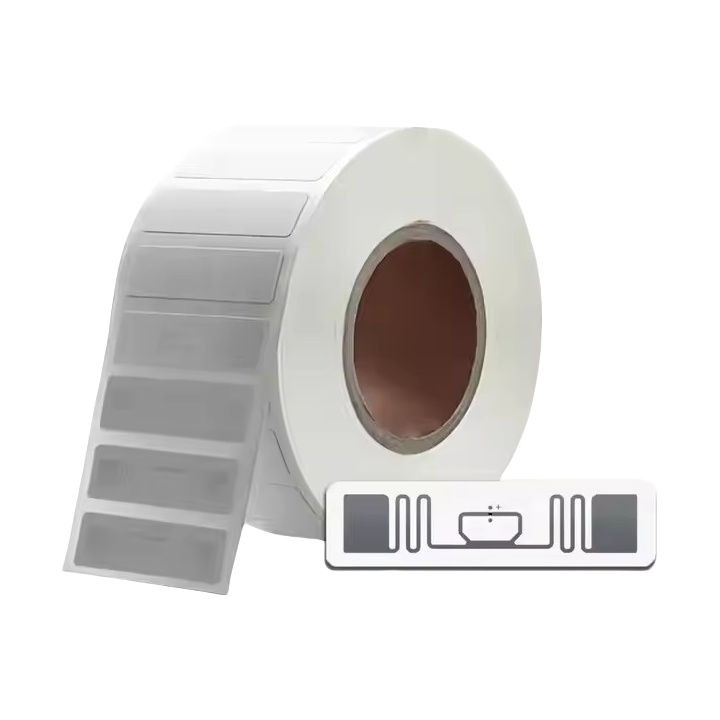
Each item, tray, or container is tagged with an RFID label that uniquely identifies it and records its production status as it moves through different stages.
Typical tracked items include:
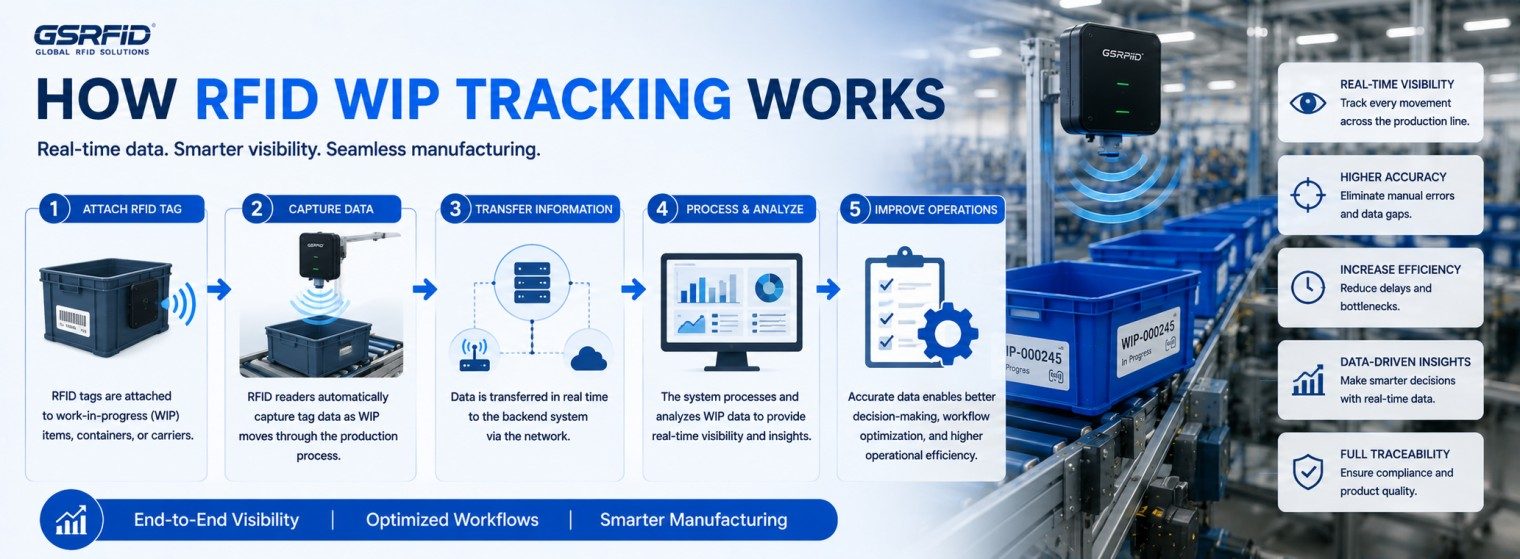
A complete RFID WIP tracking system includes several key components:
1. RFID Tagging of WIP Items
Each work-in-progress item is assigned an RFID tag, which may be:
The tag stores a unique ID linked to production data in the system.
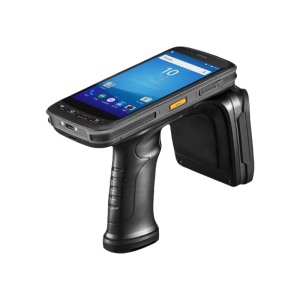
RFID readers are installed at key points along the production line, such as:
These readers automatically detect tagged items as they move.
As items pass through each stage:
This ensures continuous visibility of the entire production flow.
RFID WIP systems are often integrated with MES or ERP platforms to:
Manufacturers can see exactly where each product is in the production process:
RFID helps identify delays instantly:
This allows faster corrective actions.
By automating tracking, RFID eliminates manual processes:
This leads to smoother and faster workflows.
RFID ensures reliable production data:
Each product’s full manufacturing history is recorded:
This is essential for quality control and audits.
RFID helps manufacturers:
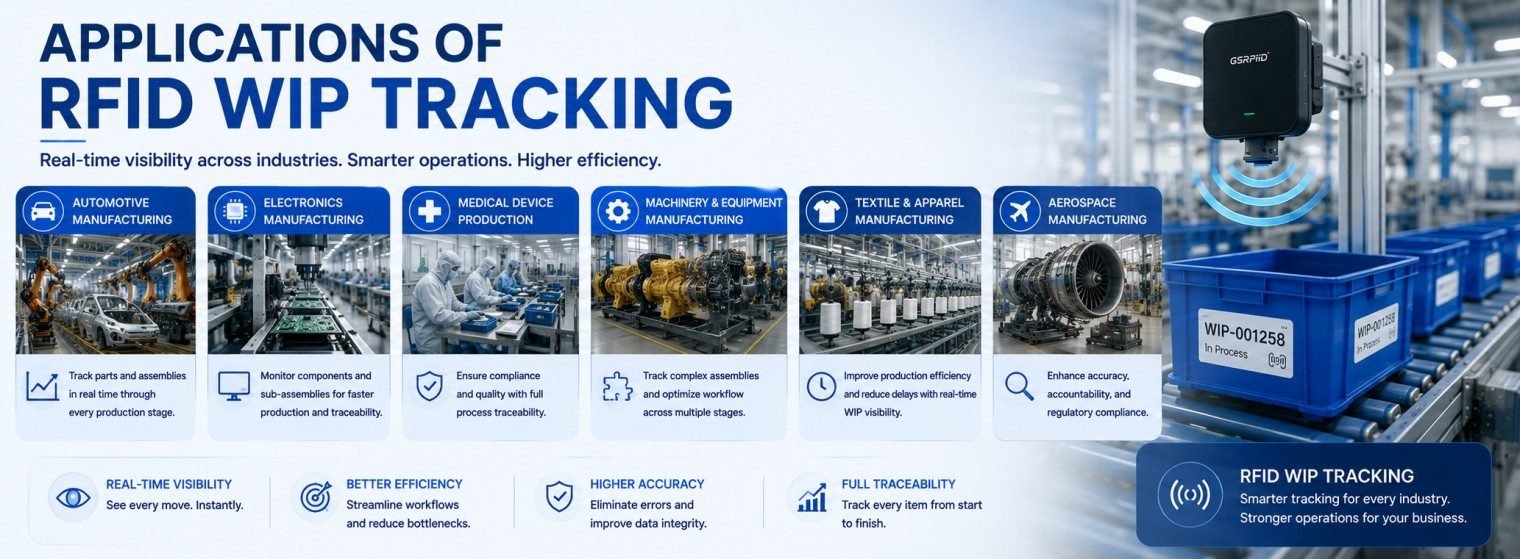
Tracking components through assembly lines for full vehicle production visibility.
Monitoring circuit boards, devices, and component assembly stages.
Ensuring strict traceability of high-value, safety-critical parts.
Managing complex multi-stage production workflows.
Tracking parts across cutting, welding, and finishing processes.
| Feature | Manual Tracking | Barcode System | RFID System |
|---|---|---|---|
| Real-time visibility | No | Limited | Yes |
| Line-of-sight required | No | Yes | No |
| Batch tracking | No | Limited | Yes |
| Automation level | Low | Medium | High |
| Data accuracy | Low | Medium | High |
| Bottleneck detection | Slow | Partial | Real-time |
RFID provides the most advanced and scalable solution for modern manufacturing environments.
When selecting a system, manufacturers should consider:
RFID is evolving into a core component of smart manufacturing systems:
These advancements will significantly enhance manufacturing intelligence and automation.
RFID WIP Tracking is transforming manufacturing by providing real-time visibility, improving production efficiency, reducing bottlenecks, and enabling full traceability of work-in-progress items.
For modern factories aiming to build smart manufacturing systems, RFID is a key enabling technology for digital transformation and operational excellence.

one-stop rfid hardware solution provider.

Support email contact.

Professional technical guidance.
leave a message
Scan to wechat :

Scan to Whatsapp :