
one-stop rfid hardware solution provider.

Leave A Message
If you are interested in our products and want to know more details,please leave a message here,we will reply you as soon as we can.


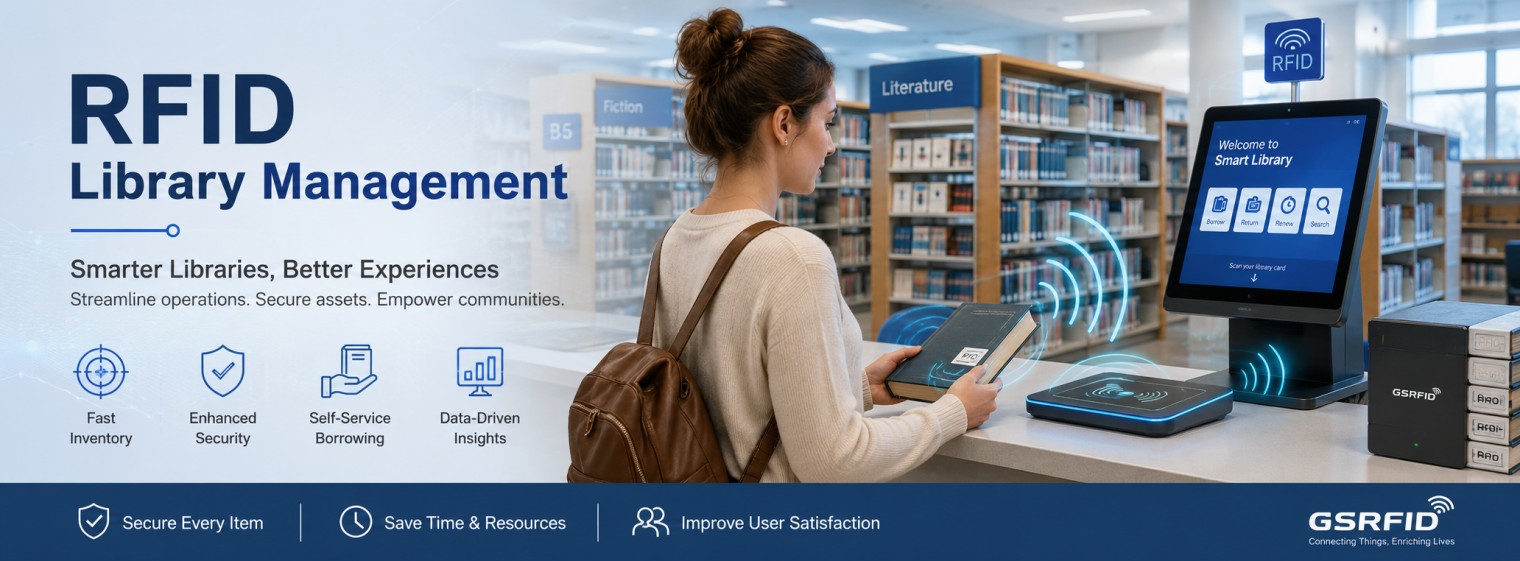
Libraries are rapidly transforming from traditional book-lending spaces into smart, automated information centers. However, many libraries still rely on manual processes or barcode systems for book tracking, which can be slow, labor-intensive, and prone to human error.
RFID Library Management provides a modern, efficient, and contactless solution that enables fast book check-in/check-out, real-time inventory tracking, and improved security. It helps libraries enhance user experience while significantly reducing operational workload.
RFID Library Management is a system that uses Radio Frequency Identification (RFID) technology to identify, track, and manage books and other library materials automatically.
Each book is embedded with a small RFID tag that stores a unique ID linked to the library’s database.
Common tracked items include:
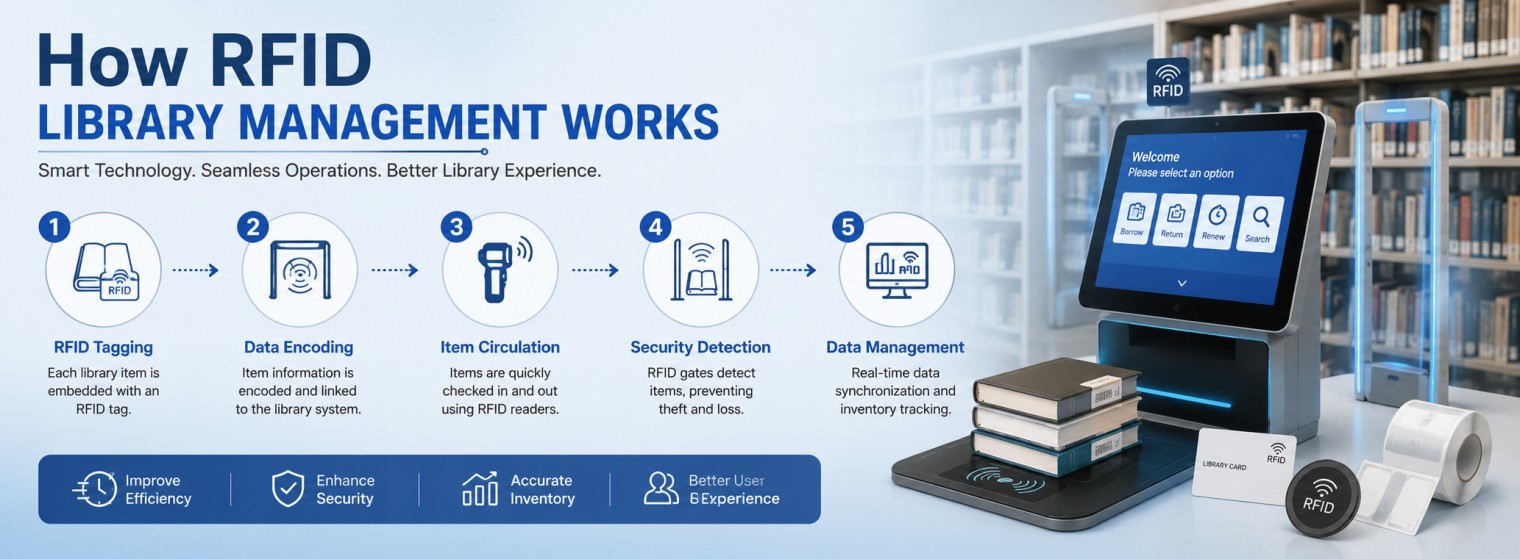
A complete RFID library system consists of four main components:
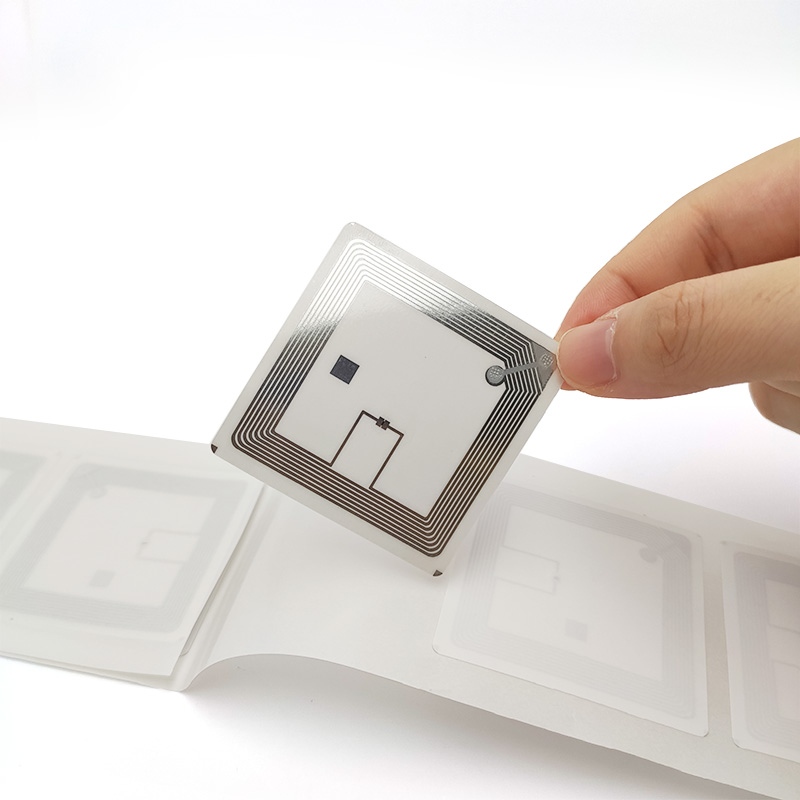
Each book is equipped with a thin RFID label, usually placed inside the cover.
The tag contains:
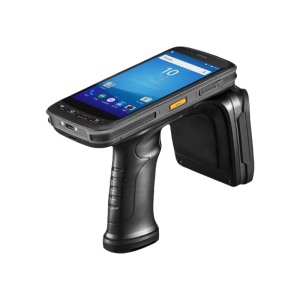
RFID readers are installed in key locations:
These devices automatically detect multiple items at once.
Users can borrow or return books easily:
No manual scanning or barcode alignment is required.
RFID enables continuous inventory monitoring:
RFID significantly improves circulation speed:
Library visitors benefit from:
Libraries gain full visibility of collections:
RFID helps prevent unauthorized book removal:
Library staff can focus more on services instead of manual tasks:
RFID supports faster internal operations:
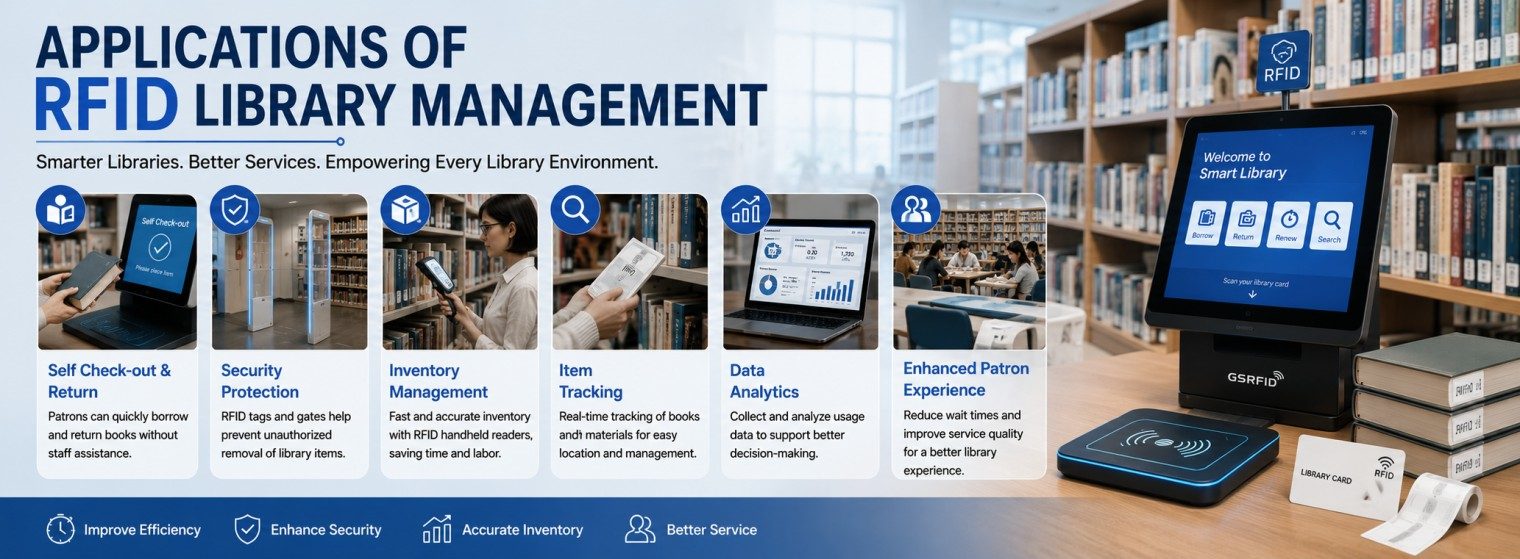
Improve circulation efficiency and user experience for large communities.
Manage large academic collections and high student traffic.
Simplify book lending for students and teachers.
Track internal knowledge resources and documentation.
Ensure accurate tracking of historical documents and records.
| Feature | Barcode System | RFID System |
|---|---|---|
| Scanning speed | One by one | Multiple items at once |
| Line-of-sight required | Yes | No |
| Self-service capability | Limited | Full support |
| Inventory auditing | Slow manual process | Fast automated scanning |
| Theft detection | Weak | Strong |
| User experience | Moderate | Excellent |
RFID clearly offers a more efficient and modern library management solution.
When implementing RFID in libraries, consider:
Library systems are evolving into smart digital ecosystems:
These technologies will redefine how people access knowledge.
RFID Library Management is revolutionizing the way libraries operate by improving efficiency, enhancing user experience, and enabling real-time inventory control. It reduces manual workload while providing fast, secure, and intelligent book tracking.
For modern libraries aiming to become smart information centers, RFID technology is an essential upgrade.

one-stop rfid hardware solution provider.

Support email contact.

Professional technical guidance.
leave a message
Scan to wechat :

Scan to Whatsapp :